
Sociology
-

Do You Have Main Character Syndrome?
There’s a quiet question many of us don’t dare to ask: Are we living our lives or curating them? On TikTok, Instagram, and even in our private thoughts, we increasingly frame our experiences as scenes. We narrate heartbreak like a monologue. We aestheticize sadness. We imagine background music during late-night walks. We document, caption, filter,…
-

6 Signs You May Be Living Someone Else’s Life
There are moments when life looks perfectly fine from the outside, yet feels strangely distant on the inside. You follow routines, meet expectations, complete responsibilities. Nothing appears broken. And still, something feels misaligned. It is not a dramatic crisis. There is no single event you can point to. Just a quiet sense that you are…
-

Why We Keep Waiting for Life to Start
At some point, many people develop a quiet but persistent feeling: that life has not quite begun yet. Not in a dramatic sense, but subtly — as if everything happening now is only preparation. We tell ourselves we will start living aftersomething changes. After things settle. After we feel more secure, more confident, more ready. This…
-
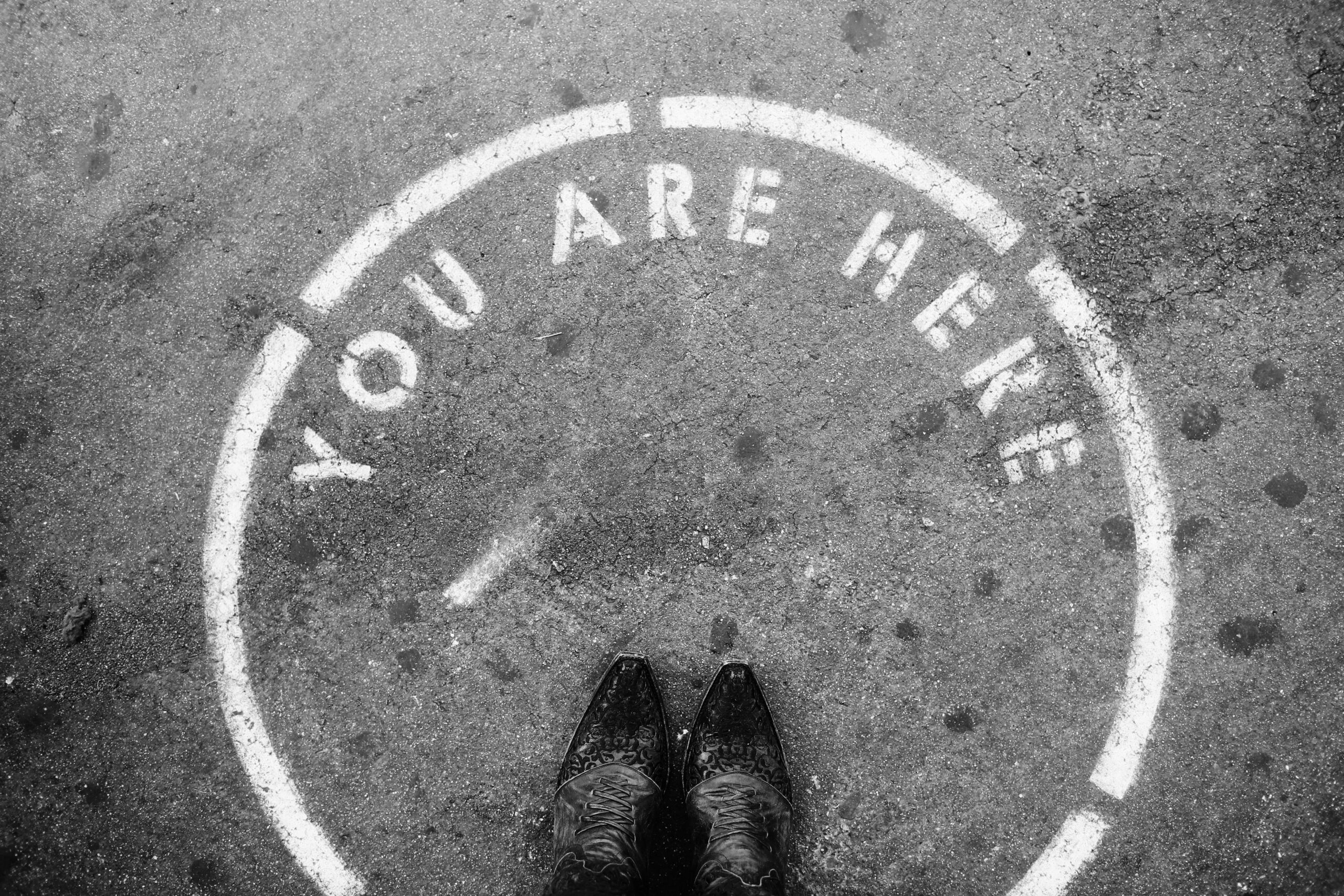
7 Signs You’re More Shaped by Society Than You Think
This Is Not a Personality Test (But It Will Feel Like One) Most people believe they are making independent choices. What to value. How to live. What counts as success. Yet sociological research has long suggested something more uncomfortable: much of what feels personal is, in fact, social. This article is not designed to label…
-

Feeling Alone in the Crowd: Why City Life Can Make Us Lonely
Have you ever walked through a busy city street, surrounded by people, yet felt completely alone? You’re not the only one. The idea of “urban loneliness” is becoming something more and more people talk about these days. Even in crowded places, many of us feel invisible, disconnected, and, well… lonely. City life promises connection and…
-
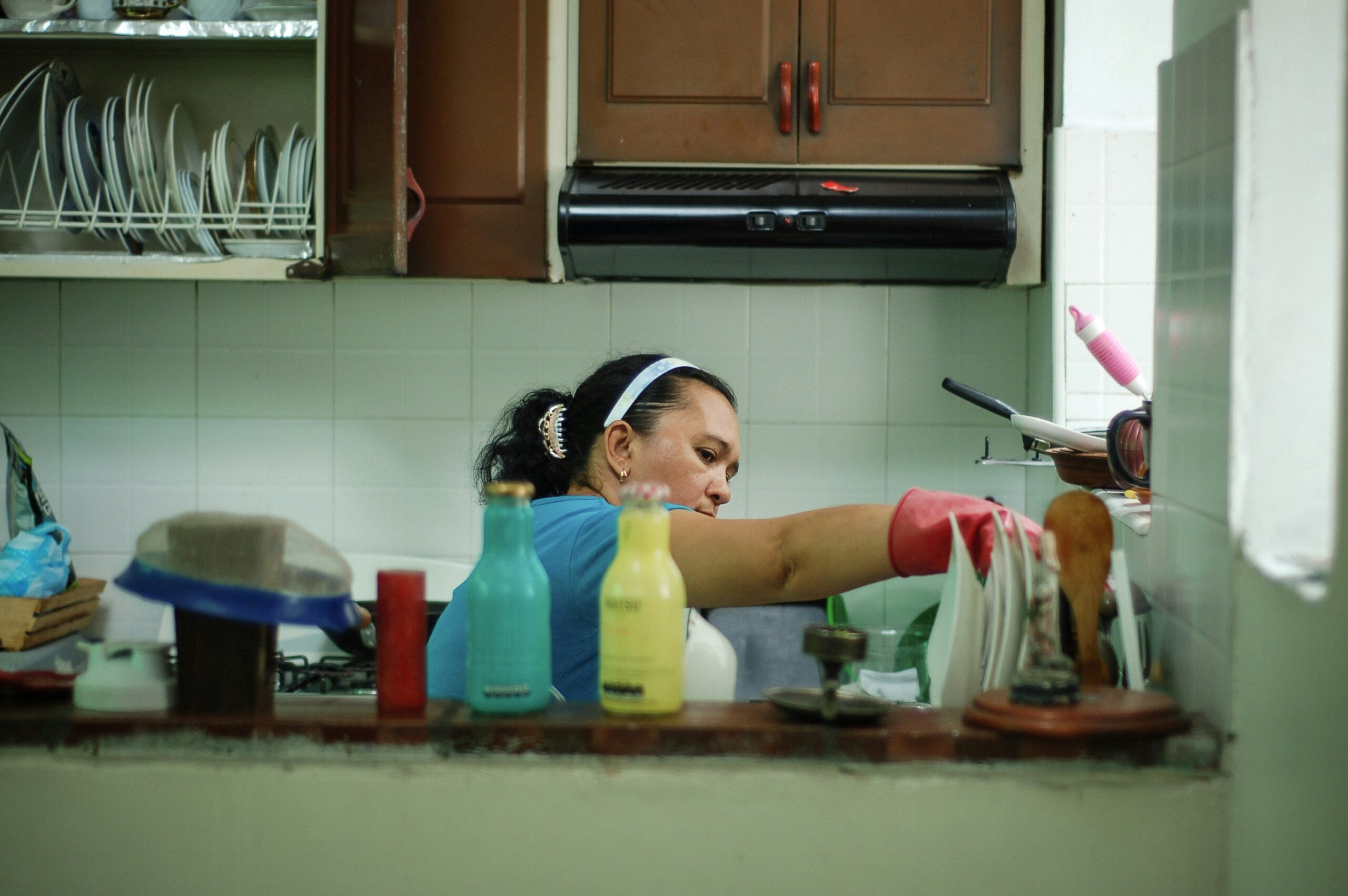
The Hidden Work of Everyday Life
A sink full of dishes. Texting friend in distress. Lunchbox made and lovingly filled each morning by a child. None of these responsibilities appear on an paycheck, but all are required to the function of everyday life. Invisible work—emotional labor, domestic labor, caregiving—is everywhere, but it’s not normally visible, let alone compensated. This essay explores the underlying sociological forces of invisible labor, how it is used to perpetuate economic inequality and gender roles, and why it remains one of the most underappreciated motivators in our culture. What Is Invisible Labor? Invisible labor is unpaid labor that rarely gets recognized because it doesn’t lead to tangible products or economic return in the traditional sense.…
-

Social Media Rituals: Meaning in Memes and Emojis
Memes, emojis, and hashtags are no longer just digital decorations. They’ve become essential tools for expressing identity, emotions, and belonging in today’s networked society. These symbols and formats form a new grammar—one that’s visual, participatory, and constantly evolving. Using a laughing emoji instead of typing “that’s funny” or reposting a trending meme often feels like…
-

Influencer Culture and the Commodification of Authenticity
Scrolling through social media feeds often feels like flipping through a digital diary—candid moments, honest confessions, and spontaneous snapshots. Yet beneath the surface lies a complex cultural shift where influencer culture blurs the line between genuine expression and brand strategy. The growing demand for authenticity has ironically led to its commercialization, as influencers craft carefully…
-

Biased by Design: How Algorithms Deepen Inequality
In today’s data-driven world, algorithms are everywhere. They recommend what we watch, determine our credit scores, and even influence who gets hired or arrested. While often portrayed as neutral and efficient, these systems are not immune to human bias. In fact, they can amplify existing social inequalities in subtle but powerful ways. From facial recognition…
-
Cancel Culture and Social Control
In today’s hyper-connected world, cancel culture has emerged as a dominant force in shaping public opinion and enforcing social norms. Whether it’s a celebrity dropped by sponsors, a content creator losing followers, or a politician forced to apologize, cancel culture is now a routine part of digital life. As a sociological phenomenon, it reflects how…
-

Digital Queer Spaces and Modern Identity
Every June, Pride Month invites the world to reflect on the struggles, triumphs, and ongoing journey of the LGBTQ+ community. In recent years, one undeniable shift has been the transition from physical to digital space. The internet has evolved from a simple communication tool into a crucial social lifeline—especially for queer individuals seeking belonging, safety,…
-

Religion and Modern Society: Changing Beliefs in a Secular Age
In today’s rapidly changing world, religion is undergoing a quiet but profound transformation. While some societies still uphold strong religious traditions, many others are witnessing a decline in organized religion and a shift towards individualized beliefs. From the rise of atheism and agnosticism to the spread of new spiritual movements, our relationship with faith is…
-
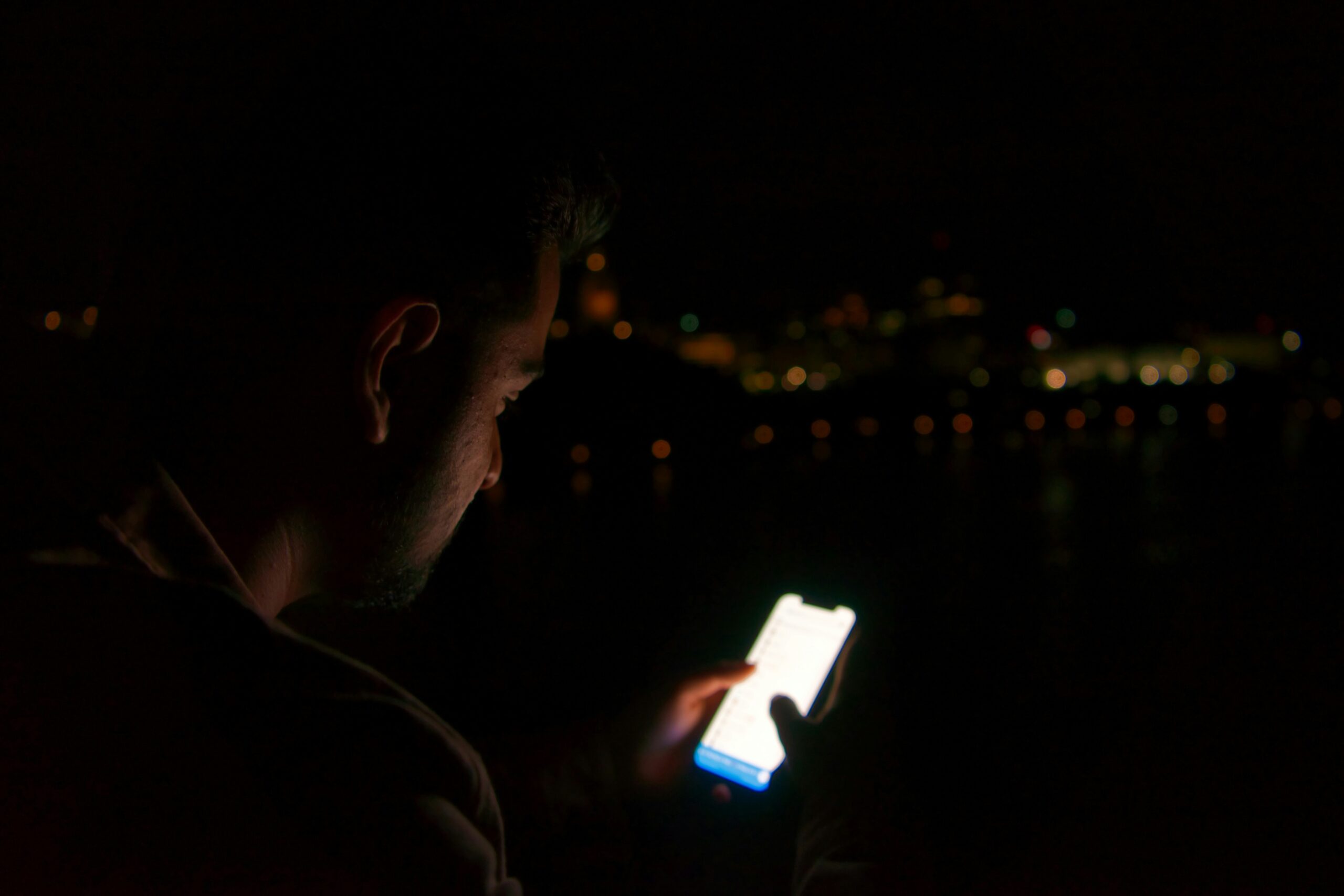
Social Media and the Performance of the Self
In an age where social media dominates our communication, self-expression, and even careers, how we present ourselves online has become more than a casual decision, it’s a performance. Platforms like Instagram, TikTok, and Snapchat invite us to curate, filter, and perform versions of ourselves for public consumption. But what does this mean for our sense…
-
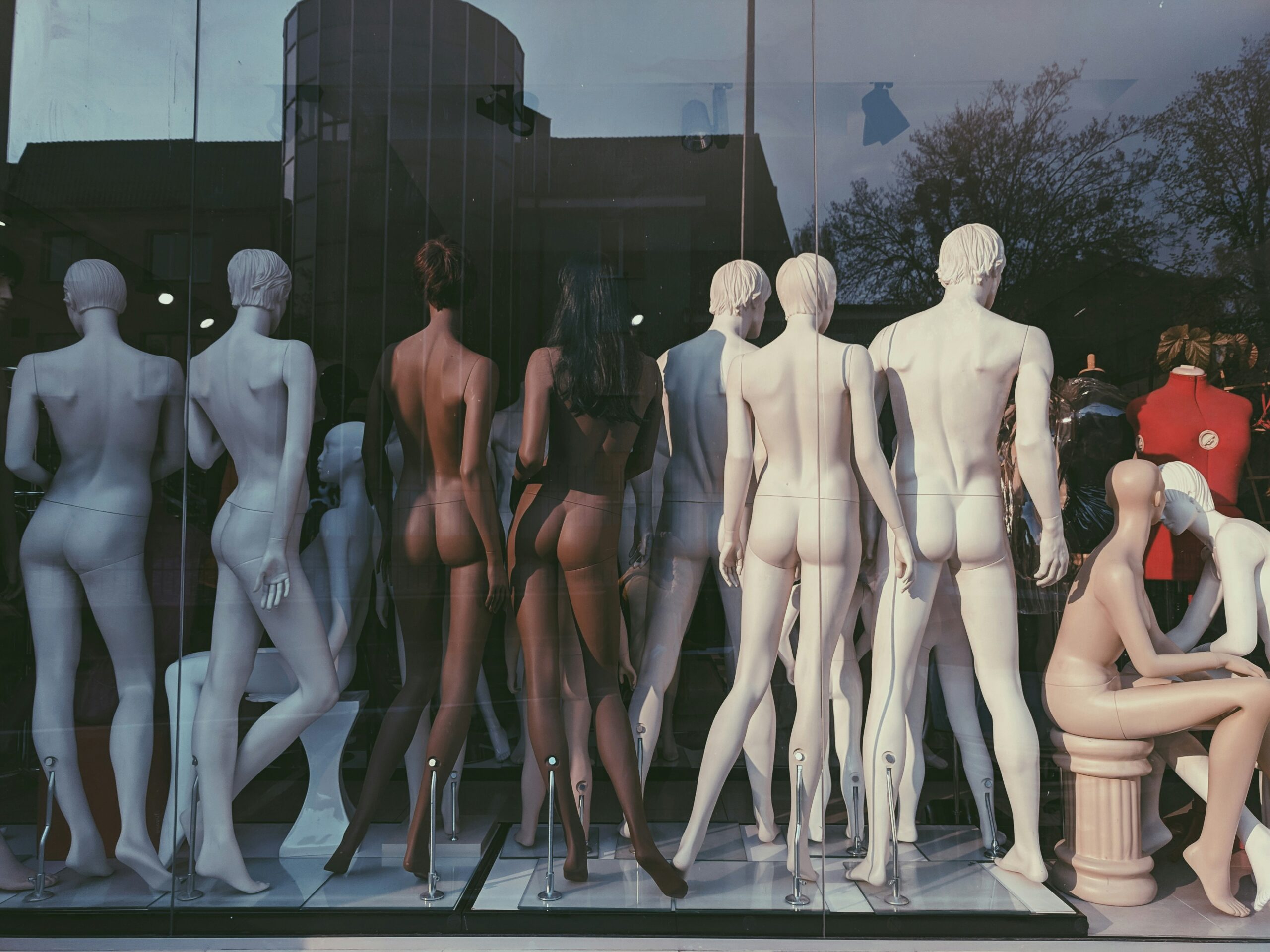
How Society Shapes Our Physical Existence
In classical sociology, the body was often viewed as a passive object — a biological vessel through which social life occurred. But contemporary sociologists argue otherwise: the body is deeply social. From how we walk, eat, dress, and move to how we age, suffer, or even desire — our bodies are shaped by culture, politics,…
-

Gender Roles and Expectations
Gender roles have been part of human societies for centuries, shaping how people behave, what they do, and how they see themselves and others. These roles—traditionally assigning specific tasks, traits, and expectations to men and women—are deeply rooted in cultural norms, religion, history, and even media. But as our world changes rapidly, so do our…